How Does Dermal Pigmentation Develop on Dark Skin?
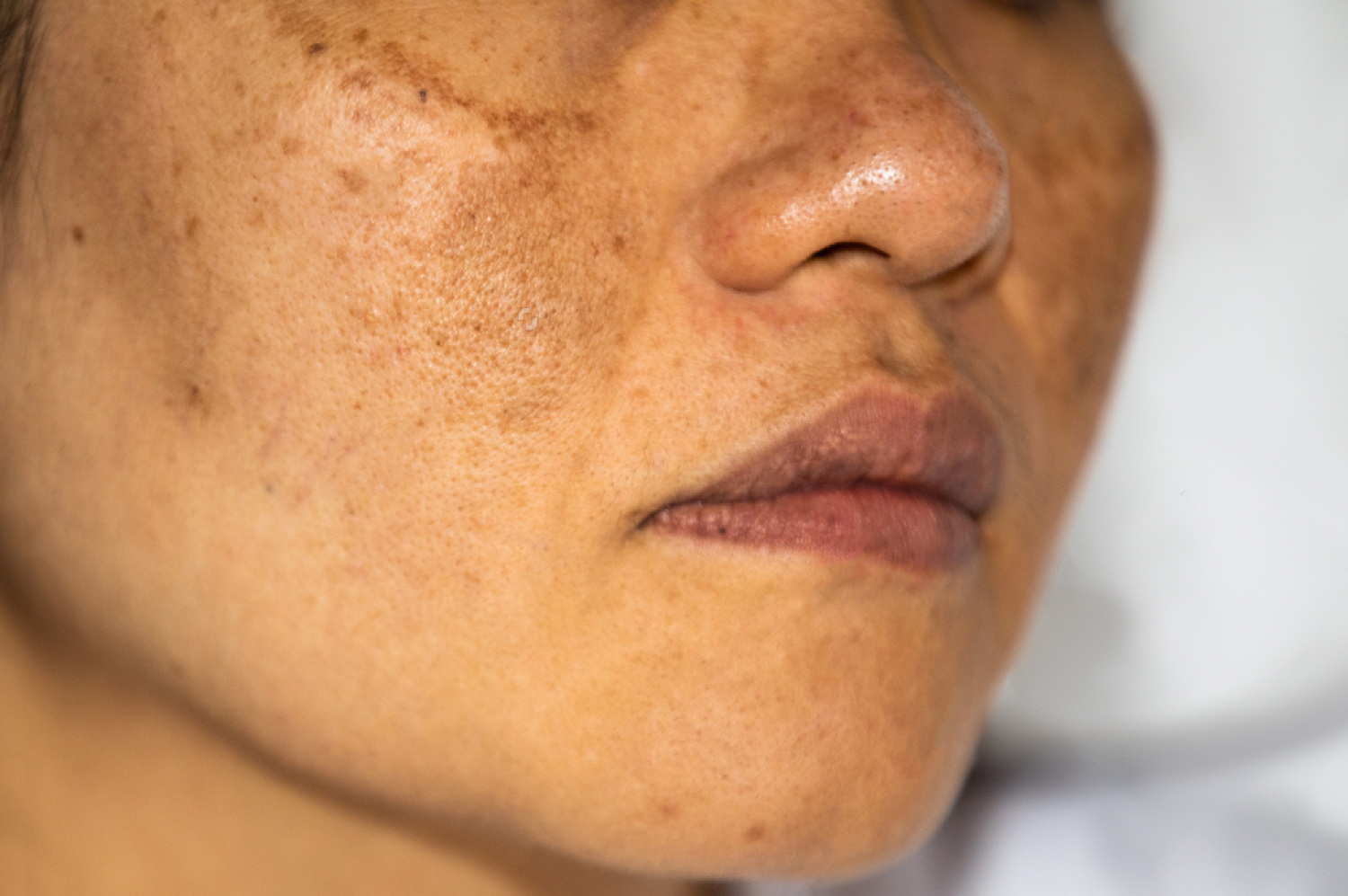
Dermal pigmentation can affect individuals of all skin tones, but it has unique characteristics when it comes to individuals with dark skin. This article delves into Dermal Pigmentation in Abu Dhabi, exploring how it develops, its forms, and the various strategies for treatment and management.
What is Dermal Pigmentation?
Dermal pigmentation refers to the excess production of melanin in the skin, leading to various forms of discoloration. This condition can arise due to genetic factors, environmental influences, or underlying health conditions. Understanding the cause of pigmentation is crucial for effective treatment and management, especially in dark skin, where pigmentation tends to be more pronounced.
The Role of Melanin in Skin Tone
Melanin is the pigment responsible for skin color, produced by melanocytes. The amount and type of melanin someone has determine their complexion. Individuals with darker skin tend to have more melanin, which offers some protection from UV radiation. However, an overproduction or irregular distribution can lead to dermal pigmentation issues.
How Does Dermal Pigmentation Develop on Dark Skin?
The development of dermal pigmentation in dark skin can be influenced by several factors, some of which are unique to the attributes of darker skin types. Here are the most common causes:
Genetic Predisposition
A family history of pigmentation issues can increase the likelihood of developing dermal pigmentation. Conditions such as melasma or post-inflammatory hyperpigmentation may be hereditary, making certain individuals more susceptible, especially within specific ethnic groups.
Post-Inflammatory Hyperpigmentation
After an injury or inflammation, dark skin is more likely to develop pigmentation changes. This can occur from acne, eczema, or wounds, where the skin darkens in response to healing. The excess melanin leads to darker patches that may last for extended periods.
Hormonal Changes
Hormonal fluctuations, particularly during pregnancy or with the use of contraceptives, can result in melasma - a type of dermal pigmentation characterized by dark, blotchy patches typically found on the face. This condition often affects women of darker skin tones due to their heightened sensitivity to hormonal changes.
Sun Exposure
Even in darker skin, UV exposure can lead to increased melanin production as the skin tries to protect itself from damage. Over time, this can result in uneven pigmentation and dark spots, particularly with prolonged exposure without adequate protection.
Lifestyle Factors
Certain lifestyle choices, including diet, stress levels, and skincare routines, can also contribute to the development of pigmentation. For instance, the use of harsh skincare products may irritate the skin, leading to inflammation and subsequent pigmentation changes.
Types of Dermal Pigmentation
Understanding the different types of dermal pigmentation can aid in identifying appropriate management strategies. Here are the primary forms:
Melasma
Recognized by brown or grayish-brown patches, melasma commonly appears on the face and is more prevalent among women. It can be exacerbated by sun exposure, and many seek treatment to reduce its appearance.
Freckles and Solar Lentigines
Freckles are small brown spots that appear due to sun exposure, while solar lentigines, often referred to as age spots, develop due to a history of sun damage. Both variations tend to be more noticeable on darker skin types.
Post-Inflammatory Hyperpigmentation
As noted earlier, after skin trauma or inflammation, darker skins can develop noticeable patches of hyperpigmentation. This not only affects aesthetics but can contribute to a cycle of attempting to treat acne while battling the resulting pigmentation.
Nevi and Melanocytic Lesions
These are moles or birthmarks that involve clusters of melanocytes. Although they are typically benign, changes in their appearance can necessitate medical evaluation.
Managing Dermal Pigmentation
The management of dermal pigmentation, particularly in darker skin types, requires a tailored approach. Here are common methods should be considered:
Skincare Regimen
Implementing a gentle yet effective skincare regimen is essential. Non-irritating cleansers, moisturizers, and sunscreen play crucial roles in preventing further pigmentation while treating existing damage.
Topical Treatments
Topical agents such as hydroquinone, retinoids, and vitamin C can help in fading pigmentation. It's critical to consult with a skincare professional to identify suitable products for dark skin to avoid potential irritation.
Chemical Peels
Chemical peels, involving the application of solutions that exfoliate the top layers of skin, can help in reducing pigmentation effectively. However, it’s vital to ensure that the products used are appropriate for darker skin tones, as some peels may cause hyperpigmentation instead of correcting it.
Laser Treatments
Laser therapies can target specific pigmentations without significant harm to the surrounding skin. For individuals with dark skin, it is crucial to opt for lasers that are effective yet safe to minimize risks.
Preventive Measures for Dermal Pigmentation
Preventive strategies can play a vital role in managing dermal pigmentation before it develops or worsens. Here are suggestions to consider:
Regular Sun Protection
Consistent use of sunscreen with broad-spectrum protection is essential, regardless of skin tone. Sunscreen helps to prevent UV-related pigmentation and protects against further skin damage.
Healthy Lifestyle Choices
Maintaining a balanced diet rich in antioxidants, drinking plenty of water, and managing stress can support overall skin health and reduce the likelihood of pigmentation issues arising.
Gentle Skincare Practices
Opting for gentle exfoliation and avoiding harsh products can help maintain a healthy skin barrier. Knowing one’s skin type and selecting suitable products prevents irritation and possible pigmentation.
Regular Skin Checks
Monitoring skin changes or new pigmentation spots is vital for early intervention. Consulting with dermatology experts can provide insights into effective management and treatment options.
Conclusion
Understanding Dermal Pigmentation is crucial, particularly for individuals with darker skin tones who may have different considerations and challenges regarding pigmentation issues. By recognizing the causes, types, and management strategies, individuals can better navigate their skincare journeys and work towards achieving an even skin tone.
FAQs
1. What are the common causes of dermal pigmentation in dark skin?
Common causes include genetic predisposition, hormonal changes, post-inflammatory responses, sun exposure, and lifestyle factors.
2. How can I reduce the appearance of melasma?
Effective treatments include topical agents like hydroquinone or vitamin C, gentle peels, and laser treatments designed for darker skin types.
3. What preventive measures can be taken to avoid dermal pigmentation?
Using sunscreen, adopting a healthy diet, maintaining a gentle skincare routine, and regular skin checks can help prevent dermal pigmentation.
4. Are there any home remedies for managing dermal pigmentation?
While professional treatments are often more effective, some home remedies include applying aloe vera, turmeric, or lemon juice; however, consult a dermatologist to avoid irritation.
Overall, knowledge and proactive care can significantly enhance the management of dermal pigmentation, particularly for individuals with dark skin tones.


